Case Study: Reimagining Marlin Moon’s Social Presence Through Aesthetic-Driven Storytelling
For restaurants, social media is often the first impression—and for Marlin Moon, it was time for that impression to fully reflect who they are. This case study explores how a strategic shift in visual identity and content direction helped Marlin Moon better represent its brand, coastal location, and elevated dining experience, resulting in significant growth in impressions, engagement, and industry recognition.
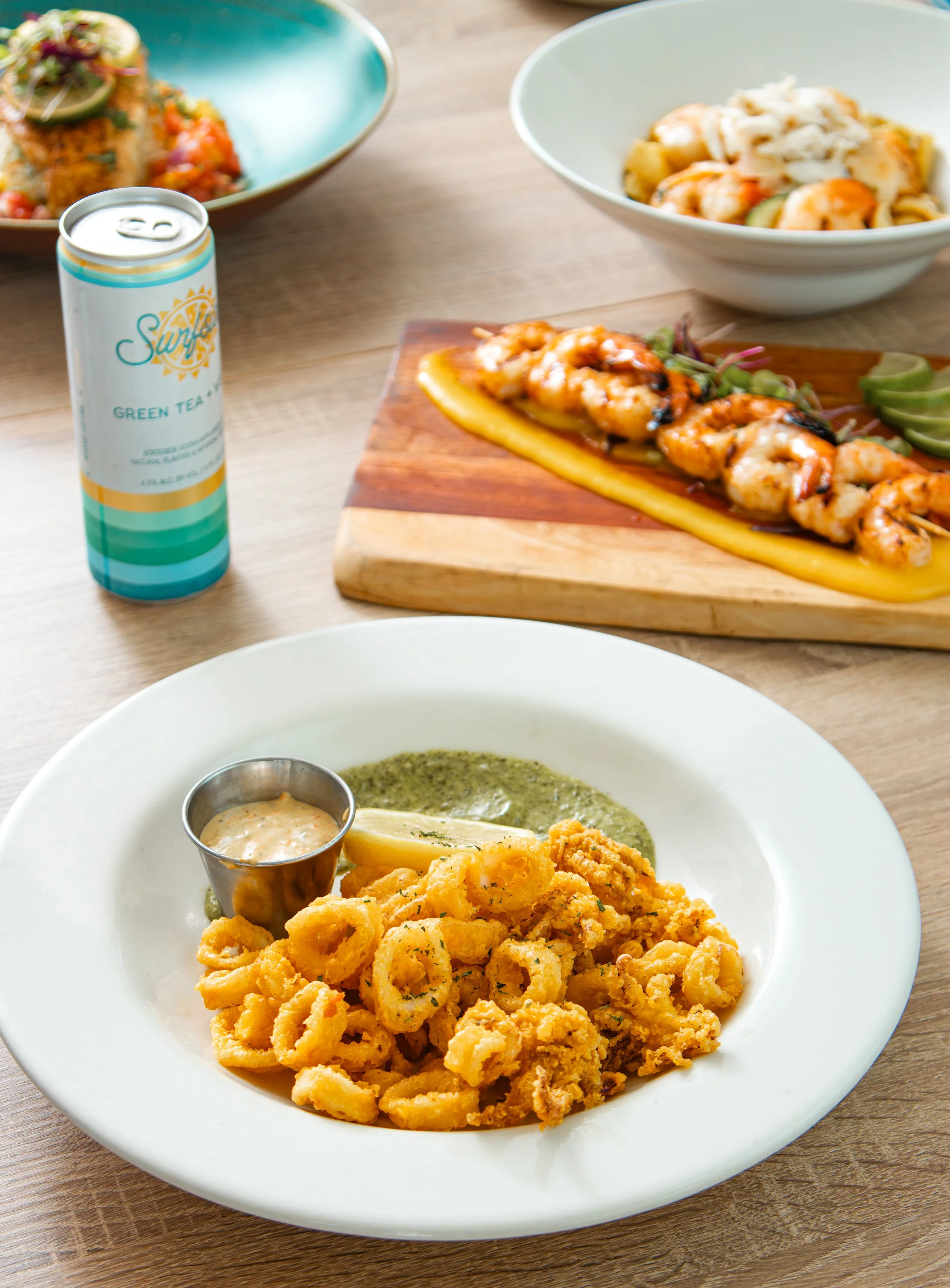
While Marlin Moon had a strong culinary offering and a prime location, its social media aesthetic wasn’t fully capturing the essence of the brand. The visuals lacked cohesion and didn’t consistently communicate the restaurant’s refined yet approachable coastal identity. The goal was clear: align the online presence with the in-person experience and create content that felt intentional, elevated, and unmistakably Marlin Moon. The turnaround began with a full visual reset. Every creative decision was guided by one core question: Does this feel like Marlin Moon? This wasn’t just about making the feed “prettier”—it was about creating a visual language that reflected the brand’s personality and elevated dining experience.
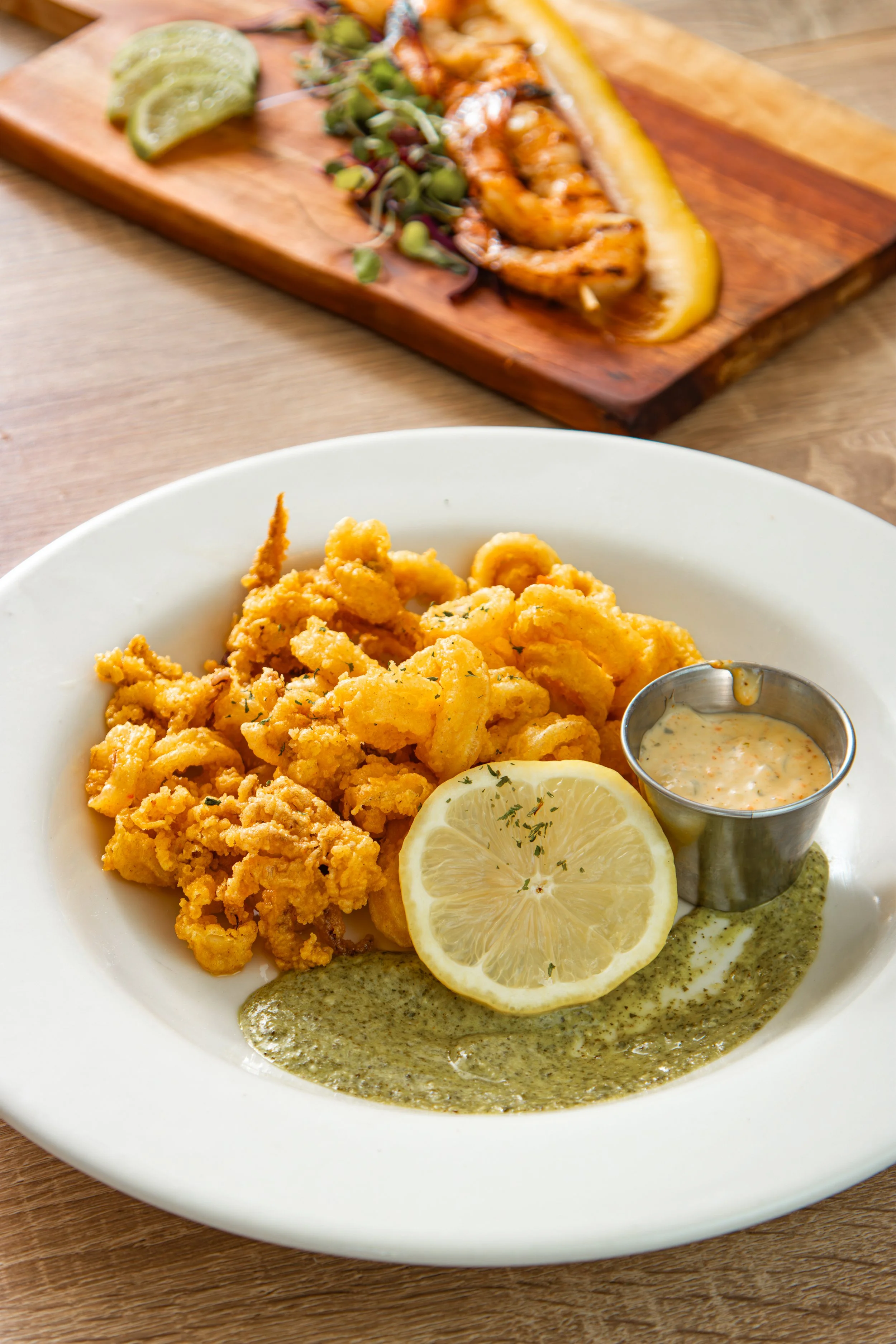
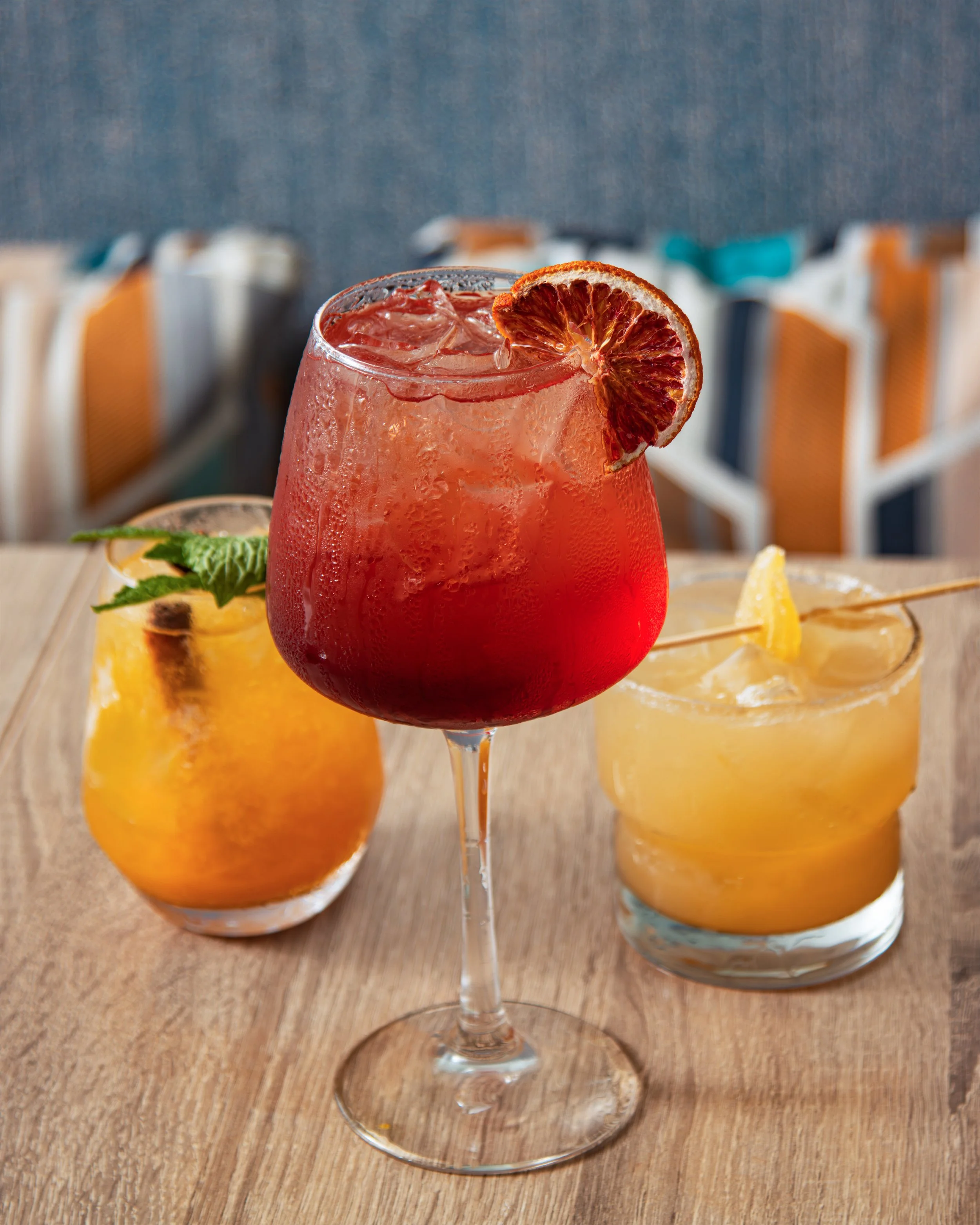
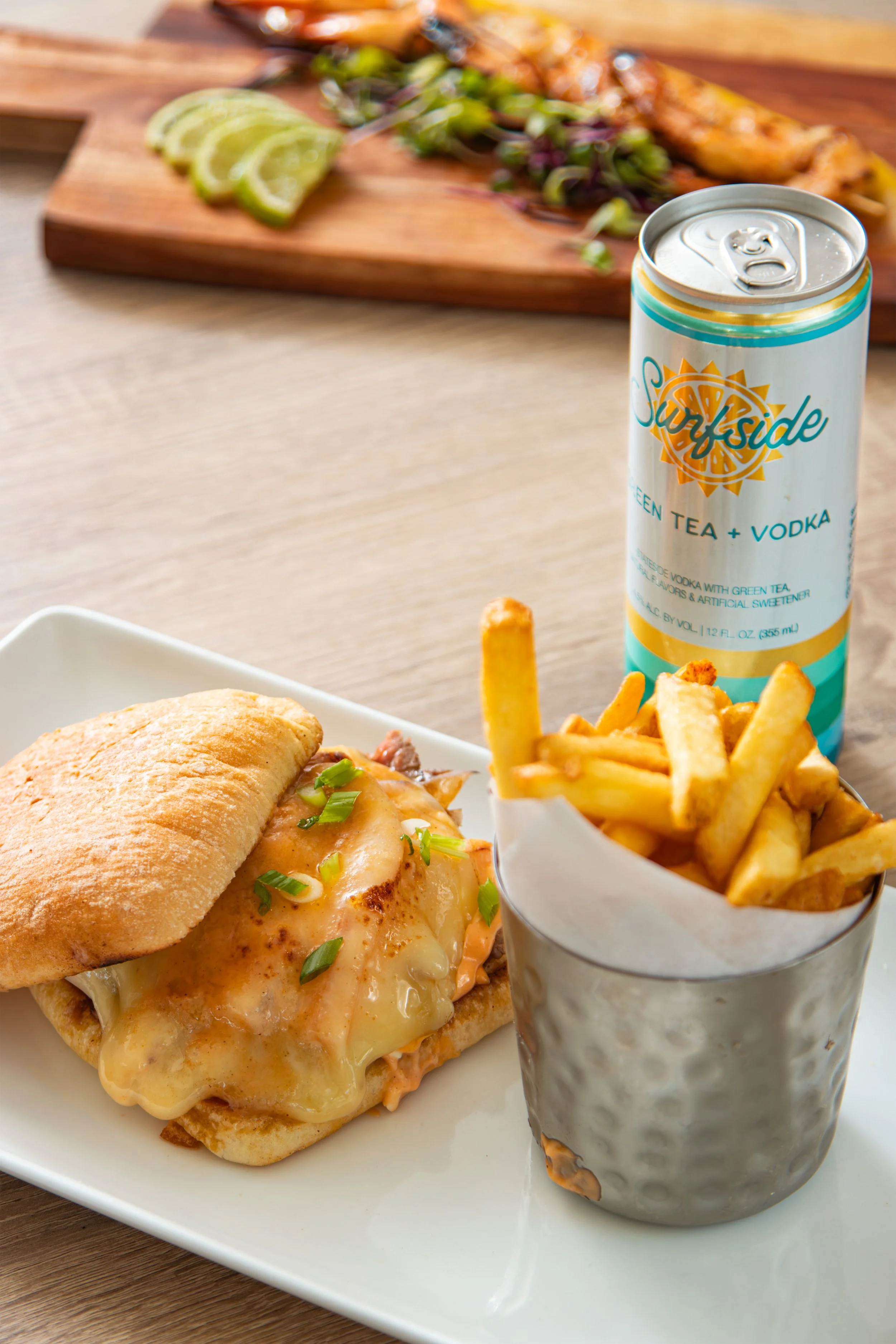
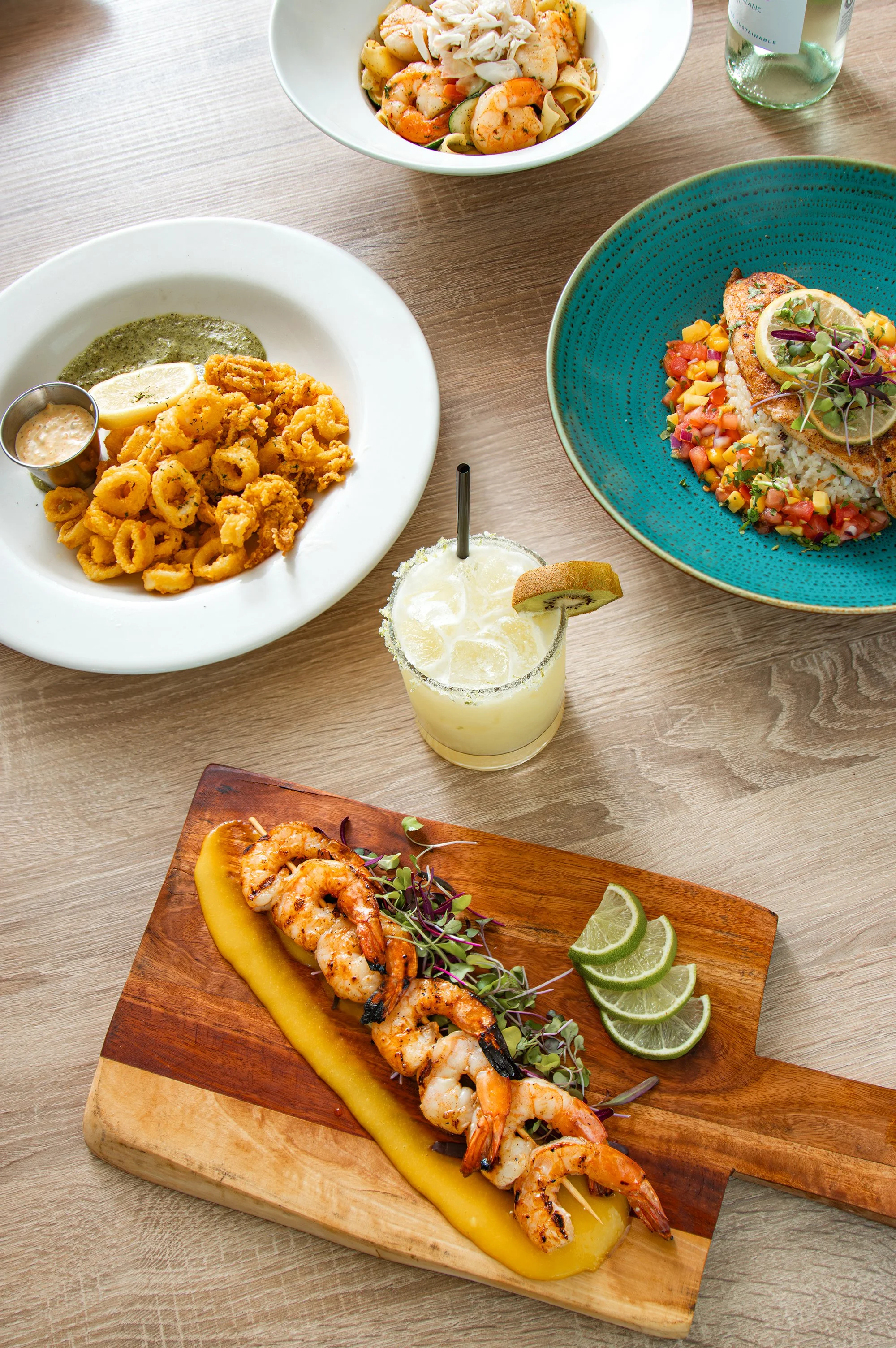
Brand-forward visuals: Emphasizing warm tones, coastal textures, and refined plating to mirror the restaurant’s atmosphere.
Location-driven storytelling: Highlighting the coastal setting and sense of place to ground the brand visually and emotionally.
Consistency across content: Creating a cohesive look and feel that made the feed instantly recognizable.
Intentional composition: Moving away from generic food shots and toward styled, experience-based imagery that told a story.
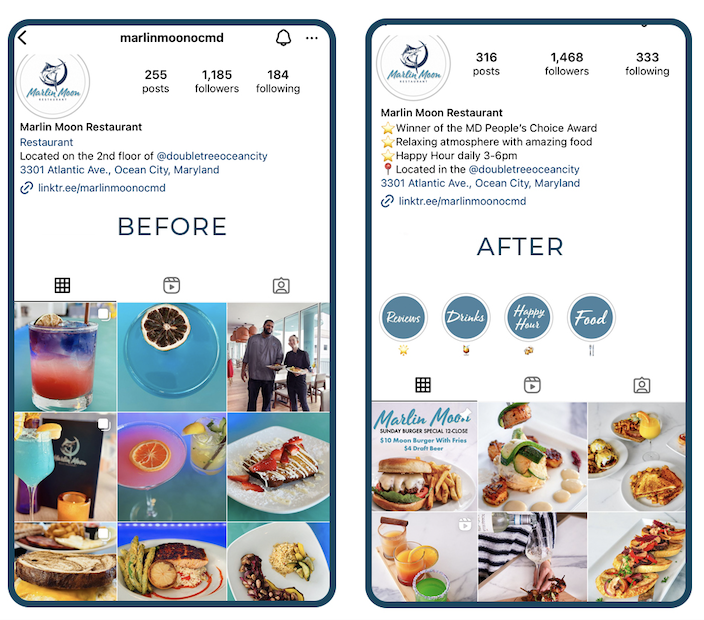
The Results
The impact of the aesthetic shift was immediate and measurable:
Impressions increased by 146%
Engagements increased by 303%
Beyond the numbers, Marlin Moon began attracting attention from notable brands within the food and beverage space. The comment section became a point of validation, with engagement from brands such as Jim Beam, Plant Wines, Bacardi, Kahlua, Surfside, and more—signaling that the content was not only resonating with diners, but with industry leaders as well.